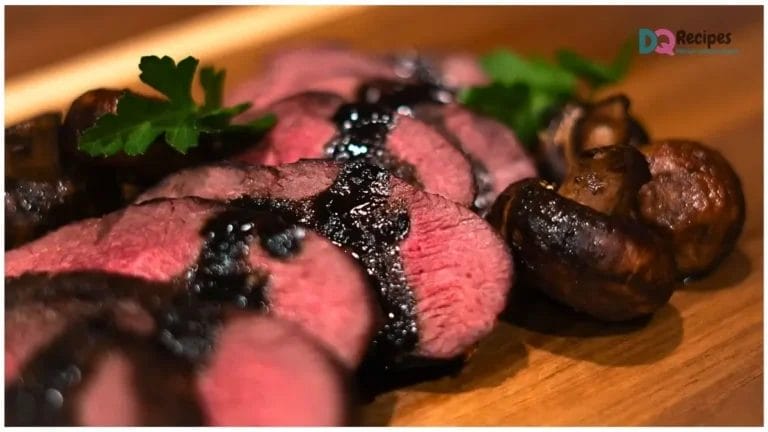

If you’ve been fortunate enough to harvest a specklebelly goose-also known as the white-fronted goose-you’re holding one of the most prized waterfowl in North America.
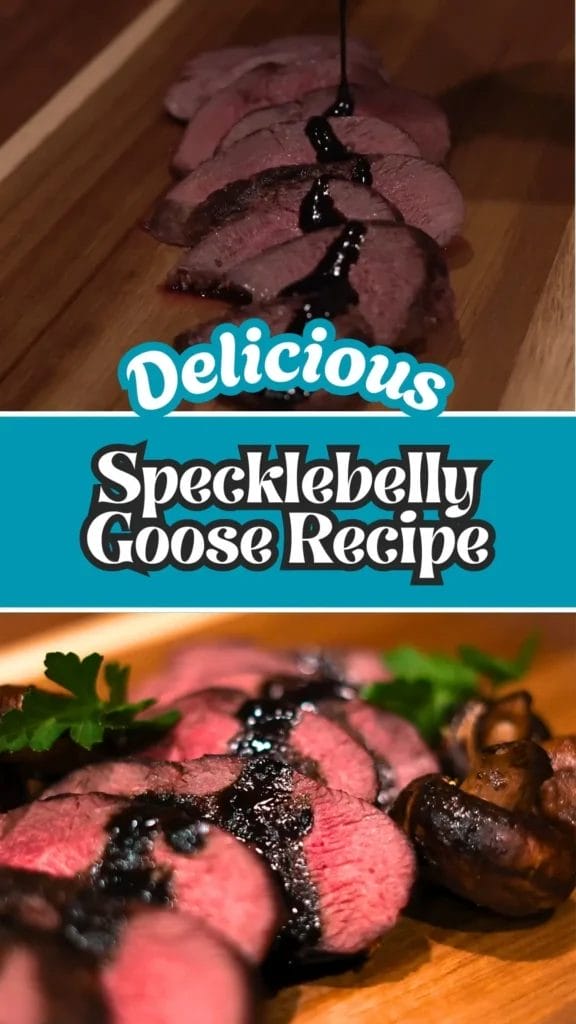
This specklebelly goose recipe transforms what could be tough, gamey meat into a restaurant-quality dish with incredible tenderness. Using the sous vide method, we’ll unlock the full potential of your wild goose breast, creating a perfectly pink, juicy centerpiece that rivals any premium steak.
Whether you’re a seasoned waterfowl hunter or trying goose recipes for the first time, this foolproof technique ensures melt-in-your-mouth results every single time.
What Does Specklebelly Goose Taste Like?
Specklebelly goose offers a rich, robust flavor that’s more refined than Canada goose but deeper than duck.
The meat has a beautiful dark burgundy color with a slightly sweet, mineral-forward taste reminiscent of grass-fed beef. When properly prepared, young specklebelly breast is exceptionally tender with a silky texture and mild livery notes that aren’t overpowering.
The sous vide method enhances the natural buttery quality of the fat while maintaining moisture, resulting in meat that’s both delicate and satisfying-far removed from the dry, chewy goose many people unfortunately associate with wild waterfowl.
Specklebelly Goose Recipe Ingredients
For the Goose (Halal):
- Breast of specklebelly goose (or any goose), preferably from young birds
- 2-3 tablespoons favorite steak rub or simple mix of salt and freshly cracked black pepper
- 2 tablespoons high-heat oil (avocado or grapeseed)
- 2 tablespoons butter, plus 1 tablespoon for searing
Optional Aromatics and Herbs:
- 4-5 cloves garlic, smashed
- 2 shallots, halved
- 4-5 sprigs fresh thyme
- 2-3 sprigs fresh rosemary
For Sealing:
- Gallon-sized freezer bags or vacuum sealing bags
Kitchen Utensils and Equipment
- Sous vide immersion circulator
- Large container or stockpot (for water bath)
- Vacuum sealer or gallon-sized freezer bags
- Cast iron skillet or heavy-bottomed sauté pan
- Instant-read meat thermometer
- Paper towels
- Tongs
- Spoon (for basting)
Preparation and Cooking Time
Prep Time: 15 minutes (plus optional 24-hour seasoning)
Sous Vide Cook Time: 1.5 to 2.5 hours (depending on thickness)
Resting Time: 20-30 minutes
Searing Time: 2-3 minutes
Total Time: 2 to 3.5 hours
Servings: 2-4 people (depending on breast size)
Copycat Specklebelly Goose Recipe Step-by-Step Instructions
Step 1: Season the Goose Breasts
Pat the specklebelly goose breasts completely dry with paper towels. Apply your favorite steak rub or a generous coating of salt and freshly cracked black pepper to all sides of each breast. For best results, place seasoned breasts on a wire rack in the refrigerator uncovered for up to 24 hours. This dry-brining process enhances flavor penetration and improves the final sear.

Step 2: Prepare the Sous Vide Bags
Drizzle each goose breast with a small amount of oil or rub with softened butter. Place 2-3 breasts inside a gallon-sized freezer bag along with your desired aromatics-smashed garlic cloves, halved shallots, and fresh thyme or rosemary sprigs add wonderful depth. If using freezer bags, use the water displacement method: slowly lower the bag into a container of water, allowing the pressure to push air out before sealing at the top. Alternatively, use a vacuum sealer for best results.
Step 3: Set Up Your Sous Vide Bath
Fill a large container or stockpot with water and attach your sous vide immersion circulator. Set the temperature according to your desired doneness: 125°F for very rare (cool red center), 126-127°F for rare (warm red center), 128-130°F for medium-rare (warm pink center), or 131-132°F for medium (hot pink center). For wild game like specklebelly goose, I strongly recommend 128-130°F for the perfect balance of tenderness and food safety.
Step 4: Cook the Goose Sous Vide
Once the water reaches your target temperature, carefully lower the sealed bags into the bath, ensuring they’re fully submerged. Cook according to thickness: 1.5 hours for 1-inch thick breasts, 2 hours for 1.5-inch thickness, and 2.5 hours for 2-inch thick pieces. The extra 30 minutes accounts for slight contraction during cooking. Important food safety note: never cook below 130°F for longer than 2.5 hours to prevent bacterial growth.
Step 5: Rest the Meat
Remove the bags from the water bath and let the goose breasts rest for 20-30 minutes at room temperature. This crucial step allows the muscle fibers to relax and prevents the internal temperature from rising too much during searing. Remove the breasts from the bags, discard the aromatics, and thoroughly pat dry with paper towels-excess moisture will prevent proper browning.

Step 6: Sear to Perfection
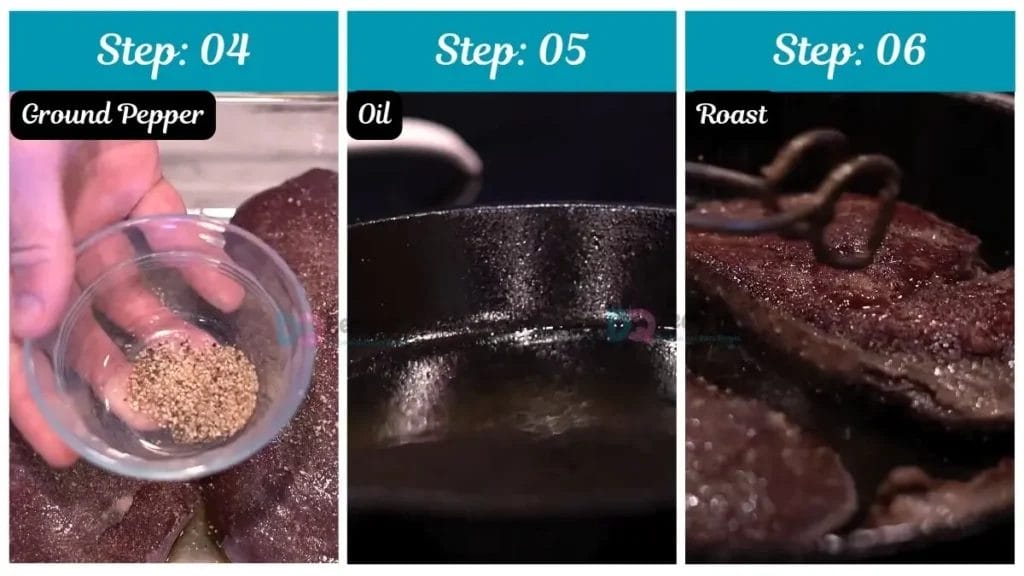
Heat a cast iron skillet or heavy sauté pan over high heat until smoking hot. Add a drizzle of high-heat oil and one tablespoon of butter. When the butter begins to foam and just starts to brown, carefully add the goose breast. Sear for 30-45 seconds without moving. Flip the breast and immediately tilt the pan toward you, creating a pool of butter. Using a large spoon, continuously baste the butter over the top of the breast for another 30-45 seconds. This technique creates a gorgeous crust while adding rich flavor.
Step 7: Rest Again and Slice
Transfer the seared goose breast to a cutting board and let rest for 5 minutes. Slice against the grain into 1/4-inch thick medallions to showcase the beautiful pink interior. Arrange on a warm serving platter and drizzle with any accumulated juices.
7 Customization and Pairing Ideas for Serving
1. Wild Game Board Presentation
Create a stunning charcuterie-style platter featuring your sliced goose breast alongside duck pâté, wild boar salami, whole grain mustard, pickled vegetables, and crusty bread. This communal serving style celebrates the wild harvest and encourages guests to build their own flavor combinations.
2. Asian-Inspired with Hoisin Glaze
Brush your goose breast with hoisin sauce mixed with ginger and garlic during the final sear. Serve over jasmine rice with steamed bok choy and garnish with sliced scallions and sesame seeds. The sweet-savory glaze balances the rich meat beautifully.
3. Root Vegetable Medley
Pair your sous vide goose with roasted root vegetables like parsnips, carrots, turnips, and sweet potatoes tossed in duck fat or butter. The earthy sweetness of these vegetables creates a harmonious autumnal plate that honors the hunting season.
4. Wild Rice and Mushroom Pilaf
Cook wild rice (a nod to the goose’s natural habitat) with sautéed mushrooms, shallots, and thyme. This pairing works especially well because the nutty rice and umami mushrooms enhance rather than compete with the goose’s distinctive flavor.
5. Breakfast Hash Transformation
Dice leftover goose breast and crisp it up in a cast iron skillet with diced potatoes, onions, and bell peppers. Top with a fried egg for a hearty hunter’s breakfast that makes the most of every precious ounce of your harvest.
6. Sandwich Upgrade
Thinly slice cold goose breast and layer on toasted sourdough with arugula, caramelized onions, blue cheese, and a smear of fig jam. This combination of sweet, tangy, and savory creates a memorable lunch that showcases your wild game in a casual format.
7 Expert Tips for Perfect Specklebelly Goose
1. Age Matters More Than You Think
Young specklebelly geese (juveniles from the current year’s hatch) have noticeably more tender meat than mature birds. Look for lighter-colored breast meat and smaller overall body size when field dressing. If you’ve harvested an older bird, consider extending the sous vide time by 30 minutes or dropping the temperature to 126°F for maximum tenderness.
2. Remove the Silverskin Completely
That thin, shiny membrane on the breast can turn leathery during cooking. Use a sharp boning knife to carefully remove all silverskin before seasoning. Angle the blade slightly upward and use smooth, sweeping motions to separate the membrane from the meat without losing precious breast tissue.
3. Don’t Skip the Dry-Brining Period
While you can cook immediately after seasoning, allowing 12-24 hours of refrigerated dry-brining transforms the texture dramatically. The salt penetrates deep into the muscle fibers, breaking down proteins and improving moisture retention. Your patience will be rewarded with noticeably juicier, more flavorful meat.
4. Temperature Precision is Critical
Wild game has far less intramuscular fat than domestic poultry, making it unforgiving of temperature mistakes. Invest in a reliable sous vide device and double-check your water temperature with a separate thermometer. Even 3-4 degrees can mean the difference between perfect medium-rare and overdone.
5. The Sear is Everything
Your sous vide bath does the gentle cooking, but the sear creates flavor through the Maillard reaction. Make sure your pan is screaming hot before adding the goose, and don’t be afraid of a little smoke. That crispy, caramelized crust contrasts beautifully with the tender interior-it’s the hallmark of this technique.
6. Butter Basting Adds Luxury
The spooning technique during searing isn’t just for show. As you continuously pour hot butter over the breast, you’re essentially deep-frying the top surface while it sits in the pan, creating even browning and adding rich, nutty flavor. Use European-style butter with higher fat content for even better results.
7. Slice Against the Grain
Goose breast has prominent muscle fibers that run lengthwise down the breast. Always identify this grain pattern and slice perpendicular to it. This simple technique shortens the muscle fibers, making each bite significantly more tender. Aim for 1/4-inch slices to showcase the perfect pink doneness you worked so hard to achieve.
Storage and Reheating Guidance
Store leftover cooked specklebelly goose breast in an airtight container in the refrigerator for up to 3 days. For best results, reheat gently in a 300°F oven until just warmed through, about 10 minutes-avoid microwaving, which toughens the meat. Alternatively, enjoy cold sliced thin for sandwiches or salads.
Specklebelly Goose Recipe
If you’ve been fortunate enough to harvest a specklebelly goose-also known as the white-fronted goose-you’re holding one of the most prized waterfowl in North America. This specklebelly goose recipe transforms what could be tough, gamey meat into a restaurant-quality dish with incredible tenderness. Using the sous vide method, we’ll unlock the full potential of your wild goose breast, creating a perfectly pink, juicy centerpiece that rivals any premium steak.
- Breast of specklebelly goose (or any goose, preferably from young birds)
- 2-3 tablespoons favorite steak rub or simple mix of salt and freshly cracked black pepper
- 2 tablespoons high-heat oil (avocado or grapeseed)
- 2 tablespoons butter (plus 1 tablespoon for searing)
- 4-5 cloves garlic (smashed)
- 2 shallots (halved)
- 4-5 sprigs fresh thyme
- 2-3 sprigs fresh rosemary
- Gallon-sized freezer bags or vacuum sealing bags
Step 1: Season the Goose Breasts
- Pat the specklebelly goose breasts completely dry with paper towels. Apply your favorite steak rub or a generous coating of salt and freshly cracked black pepper to all sides of each breast. For best results, place seasoned breasts on a wire rack in the refrigerator uncovered for up to 24 hours. This dry-brining process enhances flavor penetration and improves the final sear.
Step 2: Prepare the Sous Vide Bags
- Drizzle each goose breast with a small amount of oil or rub with softened butter. Place 2-3 breasts inside a gallon-sized freezer bag along with your desired aromatics-smashed garlic cloves, halved shallots, and fresh thyme or rosemary sprigs add wonderful depth. If using freezer bags, use the water displacement method: slowly lower the bag into a container of water, allowing the pressure to push air out before sealing at the top. Alternatively, use a vacuum sealer for best results.
Step 3: Set Up Your Sous Vide Bath
- Fill a large container or stockpot with water and attach your sous vide immersion circulator. Set the temperature according to your desired doneness: 125°F for very rare (cool red center), 126-127°F for rare (warm red center), 128-130°F for medium-rare (warm pink center), or 131-132°F for medium (hot pink center). For wild game like specklebelly goose, I strongly recommend 128-130°F for the perfect balance of tenderness and food safety.
Step 4: Cook the Goose Sous Vide
- Once the water reaches your target temperature, carefully lower the sealed bags into the bath, ensuring they’re fully submerged. Cook according to thickness: 1.5 hours for 1-inch thick breasts, 2 hours for 1.5-inch thickness, and 2.5 hours for 2-inch thick pieces. The extra 30 minutes accounts for slight contraction during cooking. Important food safety note: never cook below 130°F for longer than 2.5 hours to prevent bacterial growth.
Step 5: Rest the Meat
- Remove the bags from the water bath and let the goose breasts rest for 20-30 minutes at room temperature. This crucial step allows the muscle fibers to relax and prevents the internal temperature from rising too much during searing. Remove the breasts from the bags, discard the aromatics, and thoroughly pat dry with paper towels-excess moisture will prevent proper browning.
Step 6: Sear to Perfection
- Heat a cast iron skillet or heavy sauté pan over high heat until smoking hot. Add a drizzle of high-heat oil and one tablespoon of butter. When the butter begins to foam and just starts to brown, carefully add the goose breast. Sear for 30-45 seconds without moving. Flip the breast and immediately tilt the pan toward you, creating a pool of butter. Using a large spoon, continuously baste the butter over the top of the breast for another 30-45 seconds. This technique creates a gorgeous crust while adding rich flavor.
Step 7: Rest Again and Slice
- Transfer the seared goose breast to a cutting board and let rest for 5 minutes. Slice against the grain into 1/4-inch thick medallions to showcase the beautiful pink interior. Arrange on a warm serving platter and drizzle with any accumulated juices.
Store leftover cooked specklebelly goose breast in an airtight container in the refrigerator for up to 3 days. For best results, reheat gently in a 300°F oven until just warmed through, about 10 minutes-avoid microwaving, which toughens the meat. Alternatively, enjoy cold sliced thin for sandwiches or salads.
Common Queries and FAQs
Can I use this recipe for other types of goose?
Absolutely! This sous vide method works beautifully with Canada goose, snow goose, Ross’s goose, or any wild waterfowl breast. Snow geese tend to be leaner, so I recommend cooking at 127°F instead of 130°F for optimal tenderness.
What if I don’t have a sous vide device?
While sous vide produces the most consistent results, you can pan-roast the goose breast instead. Sear both sides in a hot cast iron skillet, then transfer to a 400°F oven for 6-8 minutes until the internal temperature reaches 130°F. Let rest 10 minutes before slicing.
How do I know if my specklebelly goose is young or old?
Young birds (hatch-year) have notched tail feathers with white tips, lighter breast meat, and more pliable breastbones. Adult birds show solid tail feathers, darker meat, and rigid bone structure. When in doubt, opt for lower temperatures and longer cook times.
Is it safe to eat goose cooked to medium-rare?
Yes, when properly handled. Wild game should be processed cleanly, aged appropriately, and cooked using time-temperature combinations that ensure safety. The sous vide method pasteurizes the meat through extended cooking at moderate temperatures, making 130°F perfectly safe after 1.5-2.5 hours.
Why is my goose breast tough even after sous vide?
The most common culprits are: cooking at too high a temperature (above 135°F), not removing silverskin, slicing with the grain instead of against it, or using a very mature bird. Also ensure you’re resting the meat adequately before searing-this prevents additional internal temperature rise.
Can I freeze goose breasts before sous vide cooking?
Yes! You can season and vacuum seal raw goose breasts, then freeze for up to 6 months. Cook directly from frozen, adding 30 minutes to the cooking time. This is an excellent meal-prep strategy for hunters with multiple birds to process.
What’s the best steak rub for wild goose?
Choose rubs with warm spices that complement gamey flavors: coffee-based rubs, Montreal steak seasoning, or blends featuring garlic, black pepper, coriander, and herbs. Avoid rubs with excessive sugar, which can burn during the high-heat sear.
This specklebelly goose recipe proves that wild waterfowl deserves the same respect and technique as premium beef.
The sous vide method removes all guesswork, delivering consistent, tender results that highlight rather than hide the goose’s distinctive flavor. Whether you’re cooking your first harvest or you’re a seasoned game chef, this approach transforms your hard-earned specklebelly into an unforgettable meal. Give this recipe a try, and you’ll never go back to overcooked, disappointing wild goose again.
Share your results in the comments below-I’d love to hear how your waterfowl dinner turned out!
We’d love to hear how this recipe turns out for you! Give it a try, then drop a comment below to share your thoughts and tips with us.
You can also follow us on Pinterest, and YouTube for more delicious updates and kitchen inspiration. Your feedback and support mean the world to us!